

Mounting an electric hoist to your ceiling isn't something you rush through. Whether it's a workshop, garage, or industrial facility, the installation needs to be right the first time. Get it wrong, and you're looking at safety risks and equipment that doesn't perform.
Why Getting It Right Matters
An incorrectly mounted electric hoist is dangerous. The ceiling has to handle both the hoist weight AND whatever maximum load you're lifting. That's a lot of force in one place. Most facilities either bring in professionals or follow manufacturer guidelines to the letter.
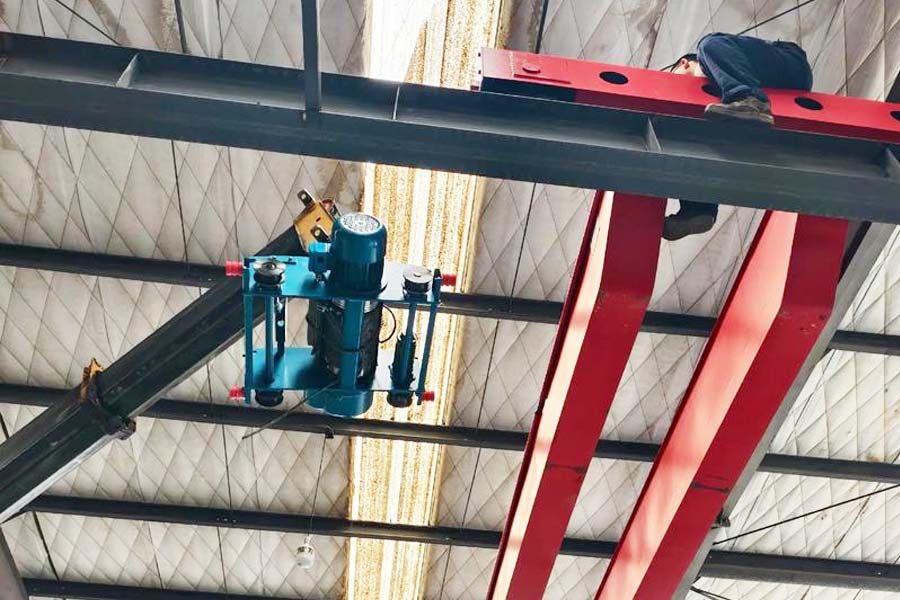
Different Mounting Approaches
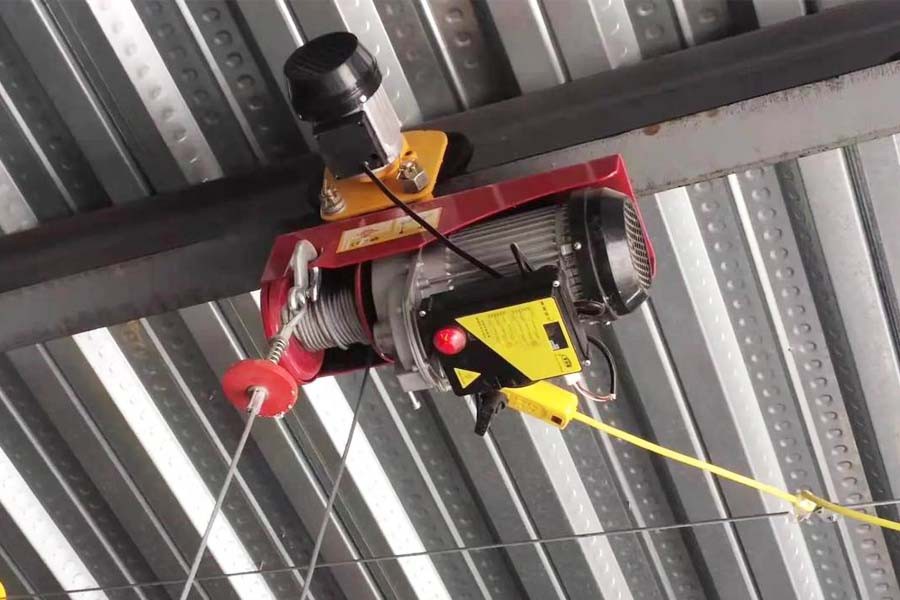
- Fixed Mounting Points : The electric hoist bolts directly to a structural beam or reinforced ceiling. Simple, reliable, and stays put. Good for dedicated workstations where you're always lifting in the same spot.
- Trolley Systems : Your electric hoist moves along a beam or track. Gives you coverage across a larger work area. More flexible, but costs more and takes longer to install.
- Suspension Kits : These come with everything needed to hang your electric hoist from I-beams, trusses, or other ceiling structures. Convenient when you're working with existing building features.
Installation Walkthrough
1. Check Your Ceiling First
Before any electric hoist goes up, you need to know what your ceiling can actually handle. Concrete isn't the same as steel, and neither is wood trusses or open web joists.
- Figure out the total weight: hoist + max load + at least 25% safety margin
- Identify what material you're working with
- Make sure you have enough vertical clearance
- Confirm where your power supply is
Never mount an electric hoist to drywall, drop ceiling tiles, or anything that isn't structural. That's asking for trouble.
2. Get the Right Hardware
Your electric hoist installation should include:
- Rated shackles and bolts (grade 5 or higher)
- Mounting bracket or trolley assembly
- Safety chains or backup supports
- Lock washers or lock nuts - vibration loosens connections over time
Use hardware rated for at least 125% of your maximum load. If you're lifting 2000 lbs, your mounting hardware should be rated for 2500+.
3. Prep the Mounting Point
Mark your drilling locations carefully. Measure twice. For concrete ceilings, you'll want either expansion anchors or chemical anchors depending on the load. With steel beams, use proper clamps designed for the beam shape - don't just wrap chain around and hope it holds.
Test the mounting point before your electric hoist goes anywhere near it. Apply a test load and verify nothing shifts or deforms.
4. Install the Bracket or Trolley
Follow the manufacturer specs. Tighten bolts to the recommended torque - don't guess. Use a torque wrench if the specs call for it. Check that everything is level and aligned. A crooked mount puts uneven stress on your electric hoist.
5. Hang the Electric Hoist
Lift your electric hoist into position. Heavier units might need two people or lifting equipment. Secure it with the provided hardware. Don't substitute random bolts or shackles from the hardware store - use what came with the unit or what the manufacturer specifies.
6. Wire It Up
Your electric hoist requires the use of the specified power supply. Please have a professional electrician connect the circuit. Proper grounding isn't optional. Water and metal plus bad grounding equals serious injury.
7. Test Before Loading
Run your electric hoist through its full range. Test both up and down, limit switches, and emergency stop. Listen for unusual sounds. Check that mounting points don't flex or move.
Only after unloaded testing passes should you try a light load. Then gradually increase to verify the complete system works as intended.

Load Capacity and Safety
Every electric hoist has a rated capacity. That's your hard limit. But there's more to it than just the hoist rating.
Working Load Limit (WLL) - Never exceed this number. Ever.
Safety Factor - Most systems are designed with a built-in safety margin. It's there for unexpected loads, wear over time, and real-world conditions. Don't treat it as extra capacity.
Dynamic Loading - Moving loads create more force than static hanging. Sudden stops or movements multiply forces. Account for this in your planning.
Common Installation Mistakes
The electric hoist capacity doesn't match the mounting hardware. Both need to be rated for the same load or higher.
Mounting to non-structural ceiling elements. Drywall, suspended tiles, and light fixtures aren't supporting thousands of pounds.
Skipping the test phase. Something looks solid until you put real weight on it.
Not accounting for total weight. People often forget to include the hoist itself in their calculations.
Ongoing Maintenance
Once your electric hoist is mounted and running, check it periodically.
- Inspect mounting points for loosening or wear
- Look for cracks in the ceiling structure around anchors
- Verify all bolts remain tight
- Check cables and chains for damage
- Test safety features
Most manufacturers recommend monthly inspections for heavy use and quarterly for light use. Keep records - it matters for both safety and compliance.
When to Call a Professional
Not every electric hoist installation is a DIY job. Consider professional installation if:
- You're unsure about your ceiling's load capacity
- The mounting requires structural modifications
- You're working in an occupied public building
- Local regulations require certified installation
- The system exceeds standard residential capacities
Final Notes
A properly mounted electric hoist gives you years of reliable service. An improperly mounted one is a liability. The difference comes down to preparation, right materials, and not cutting corners.
Take your time with the planning phase. Test before trusting. Maintain it after installation. Your electric hoist is only as secure as what's holding it up.
For professional installation services or technical guidance, please contact us at KNCRANES. We offer you a one-stop installation solution.


