



Electric Hoist
Electric Hoist
Kinocranes - Electric Hoist Manufacturer

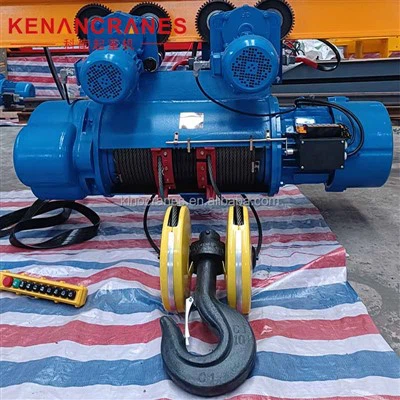
Kinocranes Electric Hoists
KinoCranes electric hoists are manufactured through advanced technology and strict quality control, ensuring that each product meets international standards. Our electric hoists are made of high-strength alloy materials, guaranteeing strong durability and a long service life. The design of each electric hoist takes into account the convenience and safety of operation, and is equipped with multiple safety protection mechanisms to ensure the safety of operators during high-load operations.
KinoCranes is a leading factory specializing in the design and manufacture of high-quality lifting equipment, dedicated to providing innovative and efficient electric hoist solutions. We offer a wide range of electric hoist products to meet the needs of various industries. Whether it's industrial production lines, warehousing and logistics, or construction sites, KinoCranes electric hoists can provide outstanding performance and reliability.
Why Choose Kinocranes Electric Hoists?
High Efficiency
KinoCranes electric hoists are equipped with high-efficiency motors and intelligent control systems, reducing energy consumption and increasing operational efficiency. This not only lowers operational costs but also contributes to environmental sustainability.
01
Durability & Stability
Our electric hoists are built with high-quality alloy materials that can withstand prolonged heavy-duty use. Even in extreme working conditions, they maintain excellent stability and safety, ensuring reliable performance
02
Easy Operation
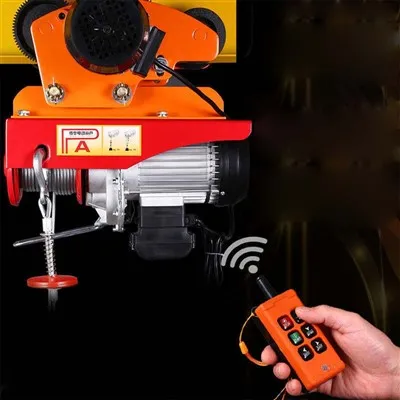
Featuring advanced intelligent control systems, KinoCranes electric hoists provide flexible and precise operation. Operators can easily adjust the load through wireless remote controls, ensuring smooth and efficient lifting operations.
03
Safety Protection
Each KinoCranes electric hoist is equipped with overload protection, power failure protection, and limit switches, significantly reducing the risk of accidents and ensuring the safety of operators in high-load environments.
04
KinoCranes electric hoist operation demonstration
Kinocrane Crane Spare Parts Type
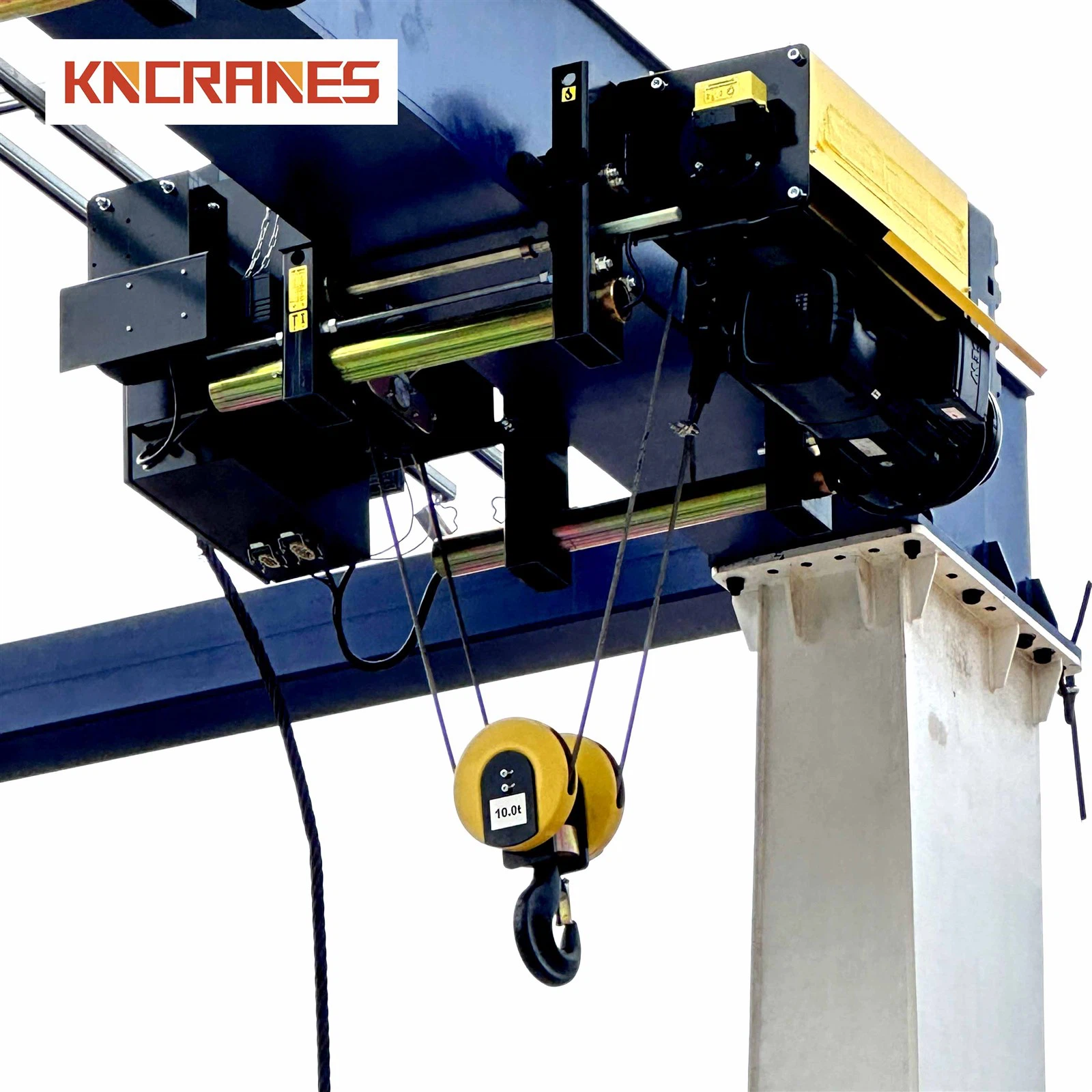
European Style Wire Rope Hoist

CD/MD Wire Rope Hoist

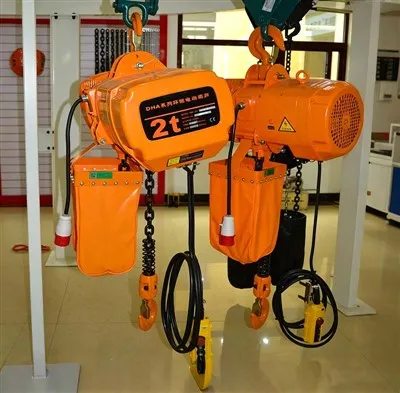
Electric Chain Hoist
Products






Electric Hoist FAQ Content
Category 1: Selection and configuration
Q: How do I choose the right electric hoist for an overhead crane?
A: Short answer: Match the hoist to the load, lift, duty cycle, available headroom, and crane structure.
Key selection points:
- Lifting capacity and maximum working load
- Lifting height and required lifting speed
- Working frequency and duty class
- Headroom, hook approach, and maintenance access
- Trolley arrangement, beam type, and crane span
- Power supply and operating environment
Overhead crane hoists cannot function independently; they are integral matched components of the full crane assembly.1t and 2t electric chain hoists fit light-duty material transport jobs. Electric wire rope hoists are the preferred option for heavy load ratings, extended lifting heights and rigorous operating environments.Submit your required payload weight, vertical lift range, daily service duration and on-site crane layout drawings to our engineering team for full system configuration verification.
Q: What lifting capacities are available for an electric chain hoist?
A: Short answer: Common requirements include 1 ton, 2 tons, 3 tons and 5 tons of electric chain cranes, with a maximum lifting capacity of up to 32 tons. However, the specific model to be chosen depends on the actual workload and working cycle.
Before selecting a capacity, confirm:
- Maximum load, not only average load
- Lifting height and lifting frequency
- Load distribution and supporting structure
- Required safety margin
- Compatibility with the crane or trolley
Capacity is only one part of the selection. KNCRANES can propose a matching electric chain hoist setup after evaluating your application parameters, lifting operating conditions, and matched crane or trolley framework.
Q: What is the difference between an electric chain hoist and an electric wire rope hoist?
A: Short answer: Popular electric chain hoist load classes cover 1t, 2t, 3t and 5t, with max rated lifting capacity reaching 32 tons. Final model selection relies on real site payload demand and daily operating duty cycle.
| Comparison point | Electric chain hoist | Electric wire rope hoist |
|---|---|---|
| Lifting medium | Load chain | Wire rope and drum |
| Typical selection focus | Compact equipment and moderate-capacity handling | Higher capacity, longer lift, or higher lifting speed |
| Common integration | Workshops, production areas, and compact lifting systems | Overhead cranes and larger crane systems |
| Main design checks | Capacity, headroom, chain collection, and duty cycle | Capacity, drum arrangement, lift, rope reeving, and duty cycle |
The optimal hoist selection hinges on actual payload, lifting stroke, duty rating, installation clearance and required moving layout. Rated load capacity alone cannot decide the right hoist model.
Q: When should I specify an electric hoist with a trolley?
A: Short answer: Specify a trolley when the load must be lifted and then moved horizontally along a beam, monorail, runway, or crane girder.
The trolley selection should consider:
- I-beam or girder profile
- Flange width and wheel loading
- Travel distance and travel speed
- Hoist capacity and lifting height
- Operating frequency and control method
A trolley may be configured for push travel, geared travel, or motorized travel. For an overhead or gantry crane, it must be matched to the beam and the complete crane structure. Confirm these dimensions before ordering an electric hoist and trolley system.
Q: Is a low-headroom electric hoist suitable for a facility with limited vertical space?
A: Short answer: Yes, low-headroom electric hoists work well for buildings with limited vertical overhead space, yet on-site dimension verification is mandatory to finalize the equipment design.
Important dimensions include:
- Building height and roof structure
- Crane girder or beam dimensions
- Hook approach and required lifting height
- Available maintenance access
- Trolley and hoist envelope
The purpose of a low-headroom arrangement is to preserve usable lifting height within a restricted space. It should not be selected from nominal capacity alone. Submit a section drawing, layout, or key site dimensions so the supplier can check the available headroom before production.
Category 2: Control, power, and operation
Q: Can an electric hoist be supplied with a remote or wireless remote control?
A: Short answer: Yes. Electric hoists can be specified with pendant, wired, or wireless remote control according to the site layout and operating requirements.
The quotation should confirm:
- Control distance
- Number of motion functions
- Emergency-stop arrangement
- Receiver protection
- Compatibility with the hoist and crane electrical system
Remote control can improve operator positioning and visibility during lifting and travel, especially where the operator needs to remain away from the suspended load. It does not replace operator training, safe lifting procedures, or supervision of the load path.
Q: How do I select the correct power supply for an electric hoist?
A: Short answer: Confirm the site voltage, frequency, phase, control voltage, and electrical standard before selecting the hoist.
Power-supply information to provide:
- Available voltage and frequency
- Single-phase or three-phase supply
- Control voltage
- Cable or conductor arrangement
- Local electrical requirements
- Compatibility with the motor, trolley, and control panel
Single-phase electric chain hoists fit compact workshop settings. Three-phase models are standard for heavy industrial cranes and frequent-duty operations. All core parts including motors, control cabinets, trolleys and safety protective units must be matched to your site power supply instead of separate random selection.
Q: What does the electric hoist duty cycle mean, and why does it matter?
A: Short answer: The duty cycle describes how frequently and intensively the hoist will operate.
It normally considers:
- Operating hours
- Lifting frequency
- Average and maximum load
- Starts per hour
- Time spent lifting versus idling
- Working environment and heat conditions
Hoists for sporadic workshop maintenance carry different specs compared to units running nonstop on production lines or inside warehouses. Picking the proper duty class controls motor overheating, brake abrasion, gear stress and overall equipment service lifespan. Supply your full operating schedule during quote requests—never choose a hoist model based solely on its maximum load rating.
Category 3: Safety, maintenance, and quotation
Q: Which safety and maintenance checks should be planned for an electric hoist?
A: Short answer: Plan pre-use checks, periodic inspection, preventive maintenance, and service according to the hoist design and working conditions.
The maintenance plan should cover:
- Load chain or wire rope
- Hook and brake
- Limit switches and protective devices
- Trolley wheels and fasteners
- Gearbox and motor
- Electrical controls and abnormal movement
Workers must immediately report odd noises, load slippage, jerky travel, damaged lifting hardware and control system failures. Overload safeguards, power loss protection and travel limit switches are critical safety mechanisms, yet they cannot substitute routine checks, scheduled upkeep or certified operator handling. Service cycle intervals shall be defined based on hoist design standards, duty frequency, site working conditions and local industrial compliance codes.
Q: What information is needed to quote an industrial electric hoist system?
A: Short answer: A reliable quotation requires the technical conditions of the lift, the supporting crane or beam, the electrical supply, and the intended operating environment.
Please provide:
- Lifting capacity and lifting height
- Lifting speed and working duty
- Chain or wire rope preference
- Trolley, overhead crane, gantry crane, or jib crane type
- Span, beam information, and available headroom
- Power supply and control method
- Indoor or outdoor conditions
- Hazardous-environment requirements, if applicable
- Layout drawing, beam section, site photo, or existing crane specification
The final price depends on the selected configuration, accessories, testing, packaging, shipping terms, and installation or commissioning scope. For this reason, a project-based quotation is more reliable than a generic electric hoist price list.
Electric hoists can be equipped with wire rope or chain as the lifting medium, and they come in various lifting capacities to suit different needs. They are usually operated by remote control, allowing for easy and safe operation.
About Us
Kinocranes Group was founded in 2008 and Kinocranes integrate lifting equipments' research and development, manufacturing, sales, installation and service. We providing one-stop service for lifting equipments.
Professional team
We have more than 1200 employees, among which there are more than 180 engineers and technicians. The factory area is about 280 acres.
Service: 7*24honline
We have exported our cranes to more than 30 countries and regions. We have established long term cooperation relationship with each customer. We have a professional and thoughtful sales and service team, and strive to provide customers with customized products.

210Set
Production testing equipment
280
Acres of factory area
180+1200
180 engineering and technical personnel, more than 1,200 employees
108.8 million
108.8 million yuan of registered capital.
Click the button and get in touch with us immediately.
Our address
#23-03 HIGH STREET CENTRE SINGAPORE (179094)
Phone Number
+65 8376 6454
sale@kinocranes.com
